Bidets & Accessibility: Empowering Independence for People with Disabilities
Posted by Barry S on 16th Feb 2026
Bathroom independence is something most people take for granted — until mobility, dexterity, or balance becomes a challenge. Spinal cord injuries and arthritis change how we handle basic self-care. What used to be a quick habit becomes a heavy burden that weighs on your mind and body alike.
A modern bidet works as a functional tool rather than just a fancy house gift. These bridge the gap.
Why Bidets Improve Bathroom Accessibility
Traditional toilet paper requires:
-
Turn your hips sideways.
-
Stretching your arm back past your torso.
-
Solid crushing power and steady manual skill.
-
Cleaning with a series of dragging hand motions.
Chronic pain and tremors turn basic movements into a struggle. Without some extra support, the process often becomes impossible to manage.
Using a bidet cuts down on how much toilet paper you buy.
-
Power in your torso.
-
Small muscle precision.
-
Unsafe balancing or slipping.
Instead, users can activate a spray that does the cleaning for them. How did it end? You get your autonomy back. It makes daily care easier and honors your self-worth.
Reducing Fall Risk & Bathroom Injuries
Bathrooms are one of the most common locations for household injuries — especially among seniors and people with disabilities.
Bidets make bathroom trips easier because you stop straining your back or reaching behind you to get clean.
-
Keep your footing steady.
-
Avoid overworking your muscles.
-
Prevent accidental trips and stumbles.
-
Lighten the load for every caregiver.
Seniors staying home can prevent falls and improve hygiene by swapping toilet paper for a bidet.
Occupational Therapists Recommend Bidets
Many occupational therapists suggest bidet seats as part of bathroom modification plans. They’re often included alongside:
-
Wall mounted grips.
-
These elevated seat attachments make sitting down and standing back up much easier for people with limited mobility.
-
Open glass showers.
-
Traction control for your interior walking paths.
Bidets support independence while reducing caregiver burden — a win for both users and families.
Features That Support Different Abilities
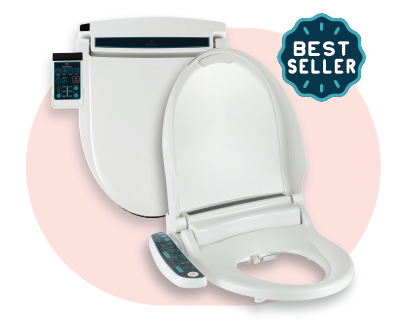
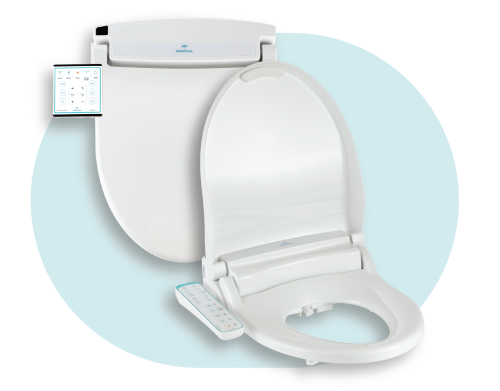
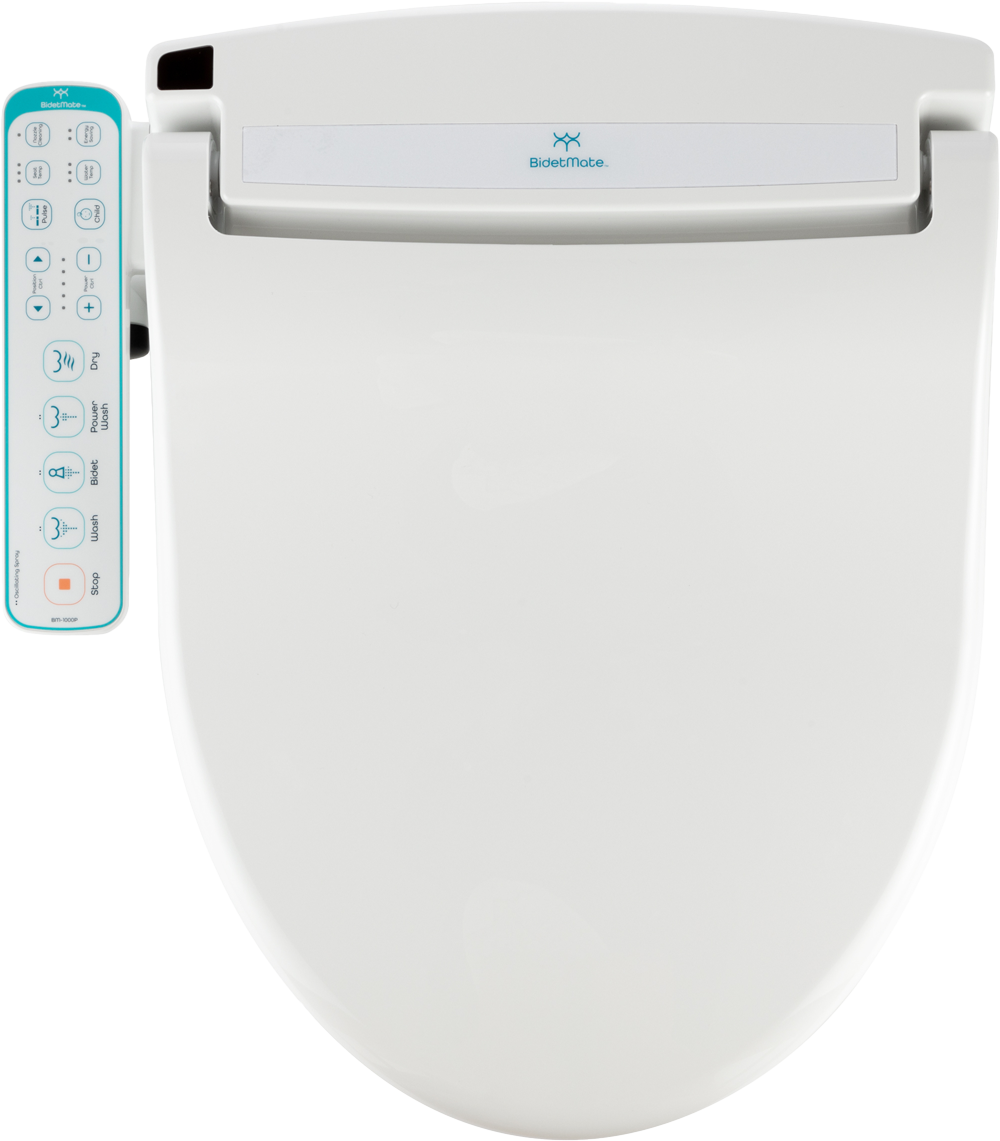
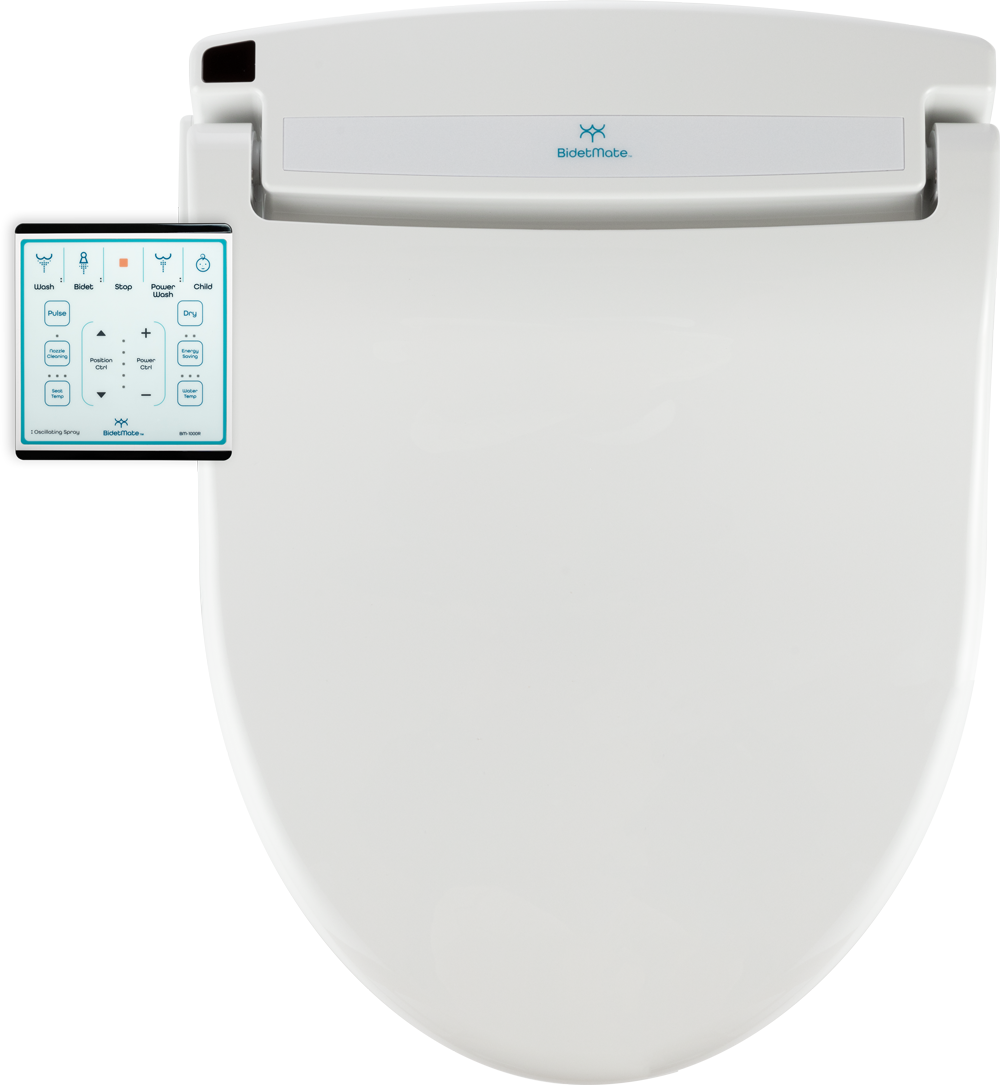
Modern bidet seats offer accessibility-forward features such as:
-
Pick a soft or strong spray.
-
Managing the heat of your tap water.
-
Forced air systems.
-
Handheld clickers.
-
Find your tools in the margin.
-
Choose your foot switch.
-
Nozzles that clear their own clogs.
-
Warm chair cushions.
Foot pedals and remote triggers give people with limited hand strength their independence back.
Supporting Caregivers & Reducing Physical Strain
Helping someone use the bathroom often puts the most strain on a caregiver's body.
Bidets:
-
Scrub less. Save time.
-
Prevent painful overuse injuries.
-
Boost your daily sanitization.
-
Provide quicker bathroom support.
This approach stops people from hitting a wall and keeps respect at the center of the work.
Funding & Adaptive Equipment Resources
Your location matters. See if you meet the requirements for assistance from:
-
Medicaid home waiver services.
-
Assistance for our nation's veterans.
-
Government initiatives focused on getting specialized gear to those who need it.
-
Local teams serving disabled neighbors.
It’s worth researching options before assuming out-of-pocket expense.
Final Thought
You will see bidets framed as a simple path to better hygiene. Most people see a simple tool, but millions see a way to finally act independently.
Accessibility isn’t about luxury. It boils down to personal freedom, honor, and physical protection. And a well-chosen bidet seat can quietly transform daily life.